What it is
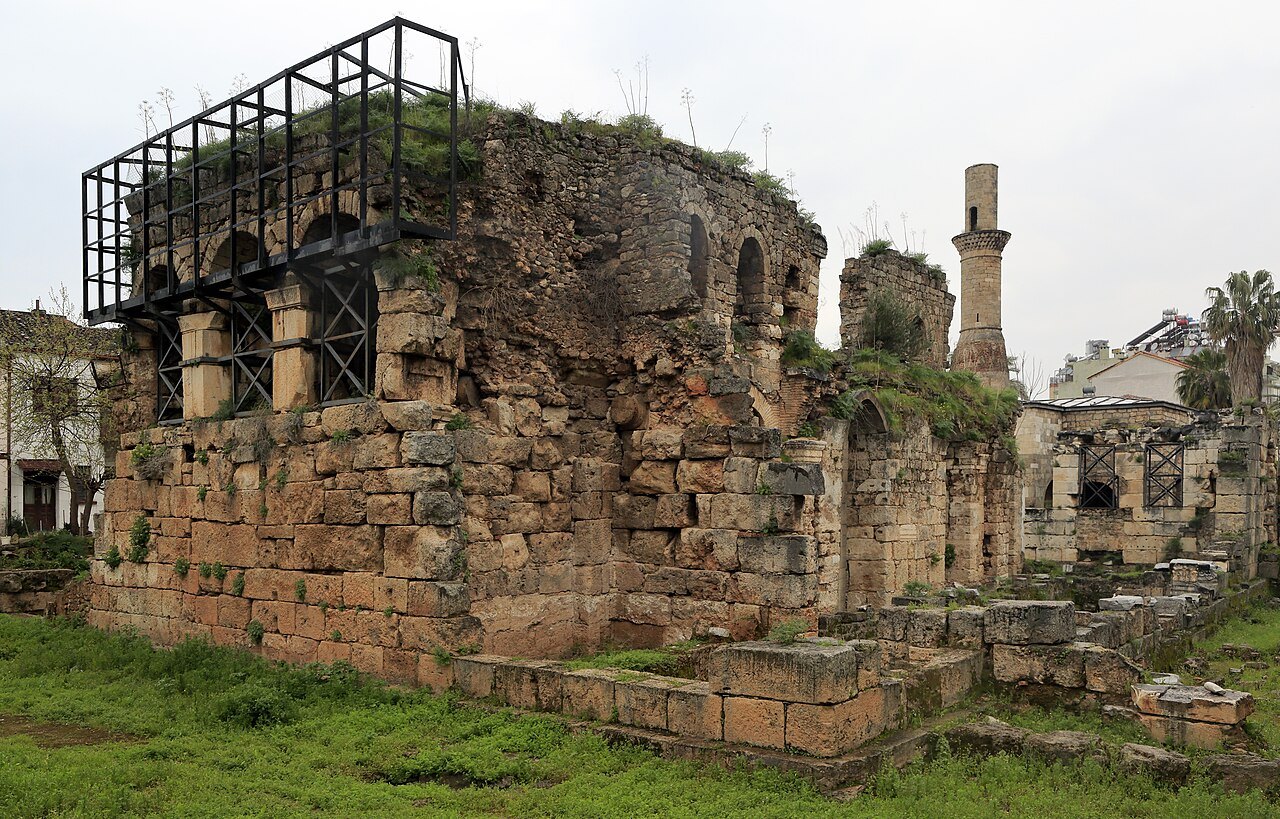
Kesik Minare means the cut minaret, named for the stump left when fire destroyed the top in the nineteenth century. Since a restoration completed in 2021 the minaret has its cap again and the building is a mosque once more, but the old name has stuck.
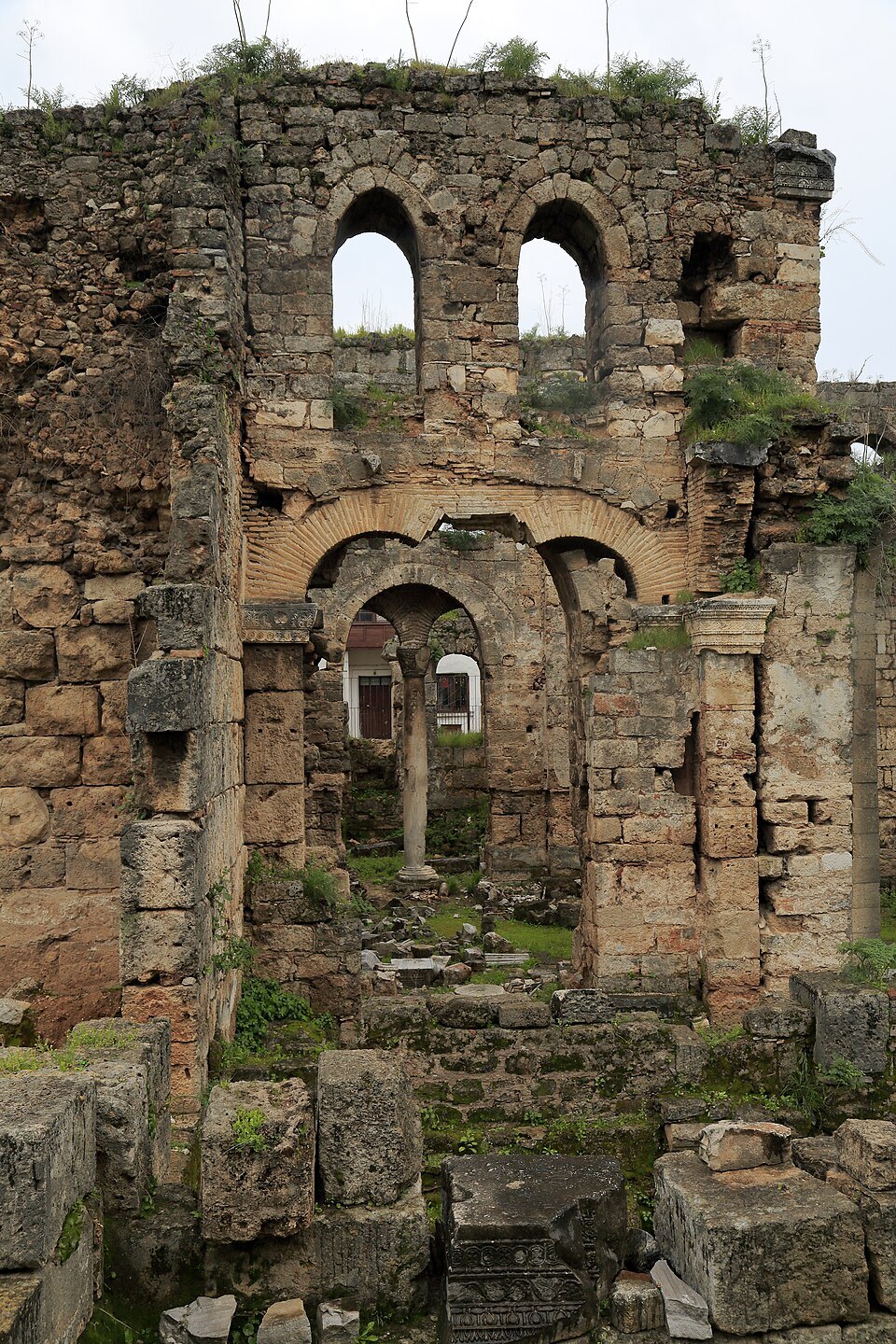
⭐ The building underneath is the interesting part. It began as a Roman temple, was rebuilt as a Byzantine church, became a mosque after the Seljuk conquest, went back to being a church, and became a mosque again. Each conversion left something, and the walls are a diagram of the city's whole history.
Seeing it
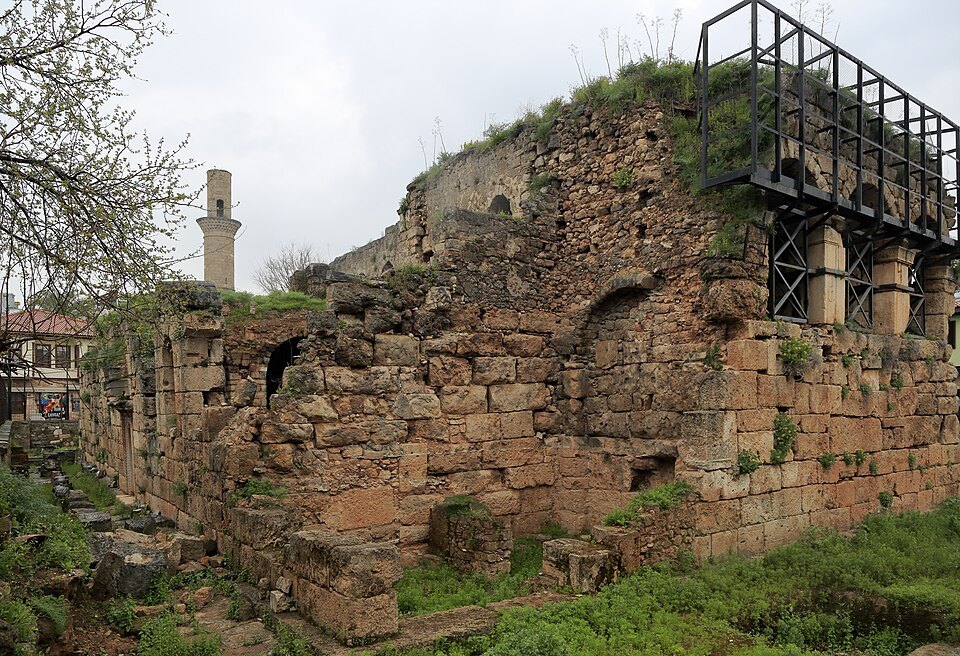
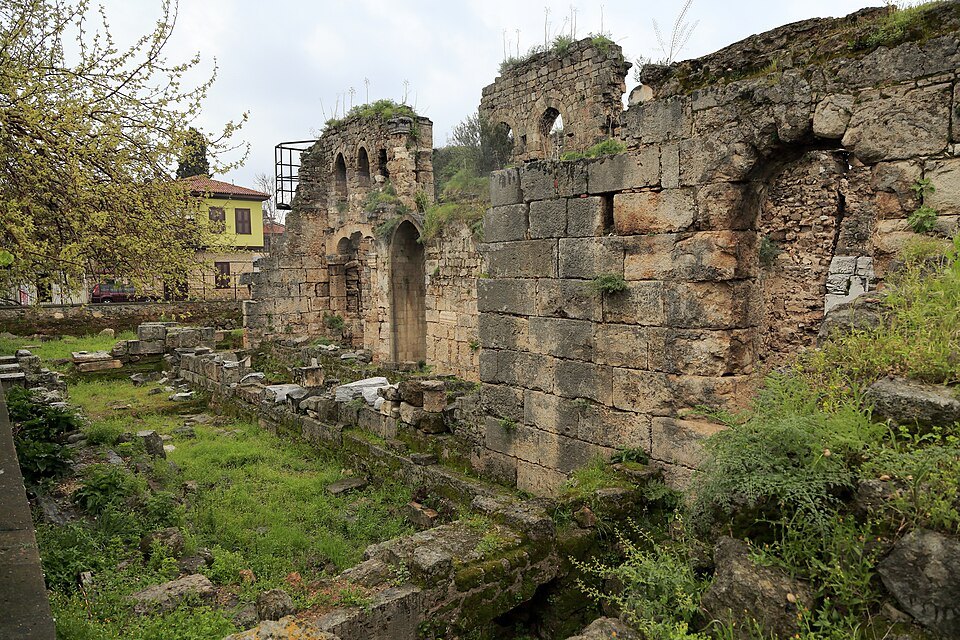
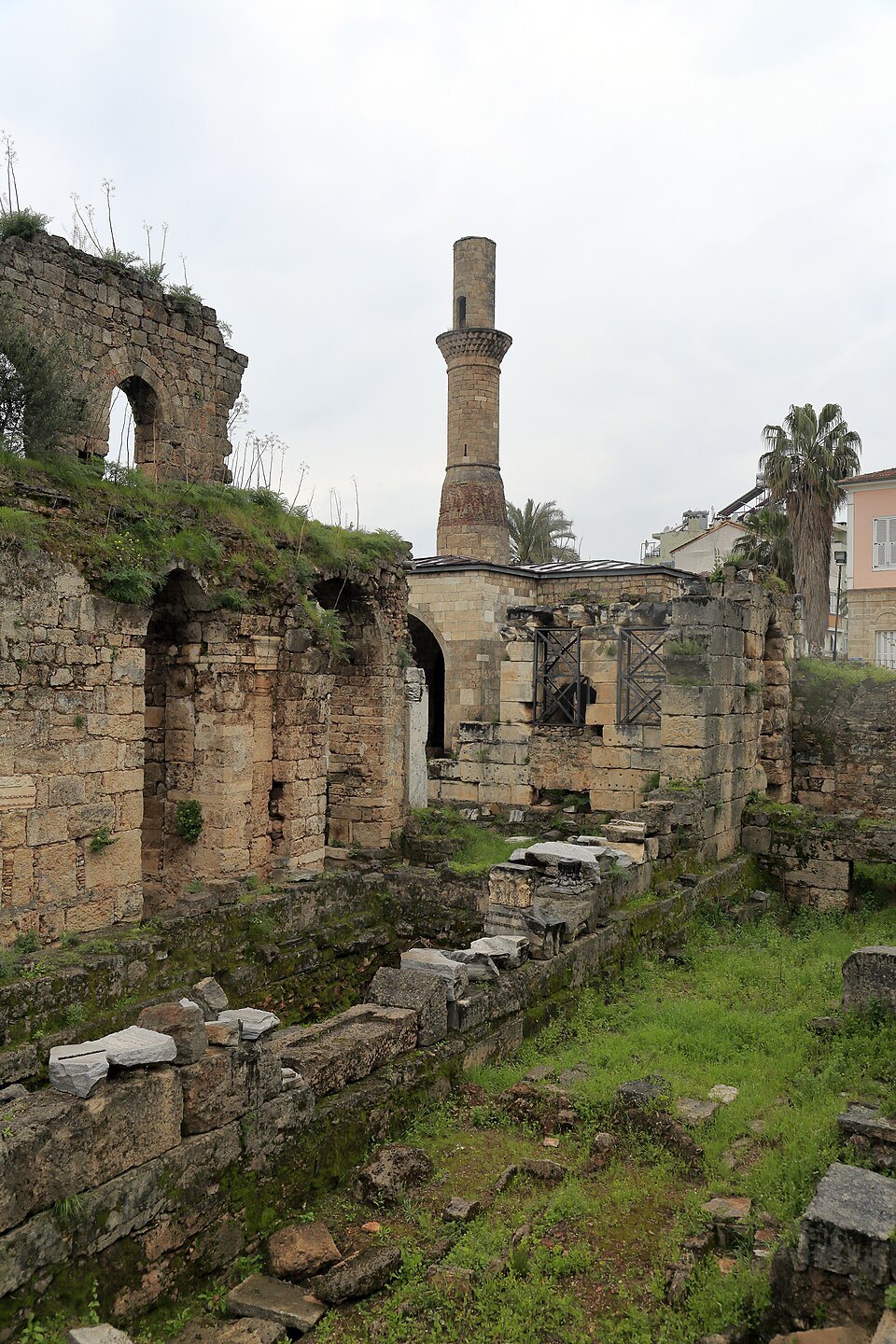
It stands among the houses of Kaleiçi, roofed again since the restoration, with columns and capitals from the excavations built back into its walls. The scale is a surprise — from the street outside you do not expect a basilica.
Temple, church, mosque, church, mosque
Few buildings anywhere have changed faith so often. The English account says it began as a Roman temple of the second century AD; the municipality says the site served as the city's agora in Hellenistic and Roman times. Early in the Byzantine period a church dedicated to the Virgin, the Panagia, was built here, and from the middle Byzantine period it was the holiest place in Pamphylia. Accounts disagree on its date: the fifth, sixth or seventh century. It was badly damaged in the Arab raids and repaired in the ninth century.
When the Seljuks took Antalya in the early thirteenth century, the church became a mosque and the minaret was added. In 1361 the crusader king of Cyprus captured the city, and the building was consecrated as a church again. It became a mosque once more under Prince Korkut, son of the Ottoman sultan Bayezid II, and it is still also called the Korkut Mosque. Because it was considered the grandest mosque in Antalya it was known as the Cami-i Kebir, the Great Mosque, and because the city's officials and notables came here for Friday prayers, it was also called the Cumanın Camisi, the Friday mosque, and the square in front of it the Cumaönü.
The fire and the long silence
A fire in the nineteenth century wrecked the building and burned the top of the minaret, leaving the stump that gave the place its popular name, the Cut Minaret. The sources disagree on the date: the municipality and the governorship give 1895, the English account and a 2020 Anadolu Agency report 1896, and the governor quoted in a 2018 news report 1851. Either way, no call to prayer was heard here for more than a century. For years the doors were chained and the shell stood open to the sky in the middle of Kaleiçi.
The restoration
Restoration began in 2017 under the regional Directorate of Foundations, backed by the Antalya governor Münir Karaloğlu, and the site was excavated as part of the work. The aim was first to protect and strengthen what still stood, then to rebuild the collapsed parts according to the project, reusing the columns, capitals and stones found in the dig in the places where they were found, which is why the governor called it a museum mosque. New stone was cut from a quarry in the Kepez area and sized in Afyonkarahisar to match the old walls. In 2019 the minaret's cap and balconies were restored, missing for 123 years.
Inspecting the work in 2018, the governor said that what Hagia Sophia is to Istanbul, the Korkut Mosque is to Antalya. The building officially reopened as a mosque on March 5, 2021, the date set as the anniversary of the Seljuk conquest of Antalya, and welcomed worshippers for the first time in about 125 years. Inside, you can see the layers the governor described: Roman, Byzantine, Seljuk and Ottoman.
An archaeopark beside the mosque
The project was more than a rebuilding. The regional director of foundations, Hüseyin Coşar, called the building a cradle of civilizations, because it holds Roman, Byzantine, Seljuk and Ottoman work in one place. The restorers strengthened the structure, re-roofed it with tiles and laid new floors, and the building was planned to serve both as a working mosque and as a museum.
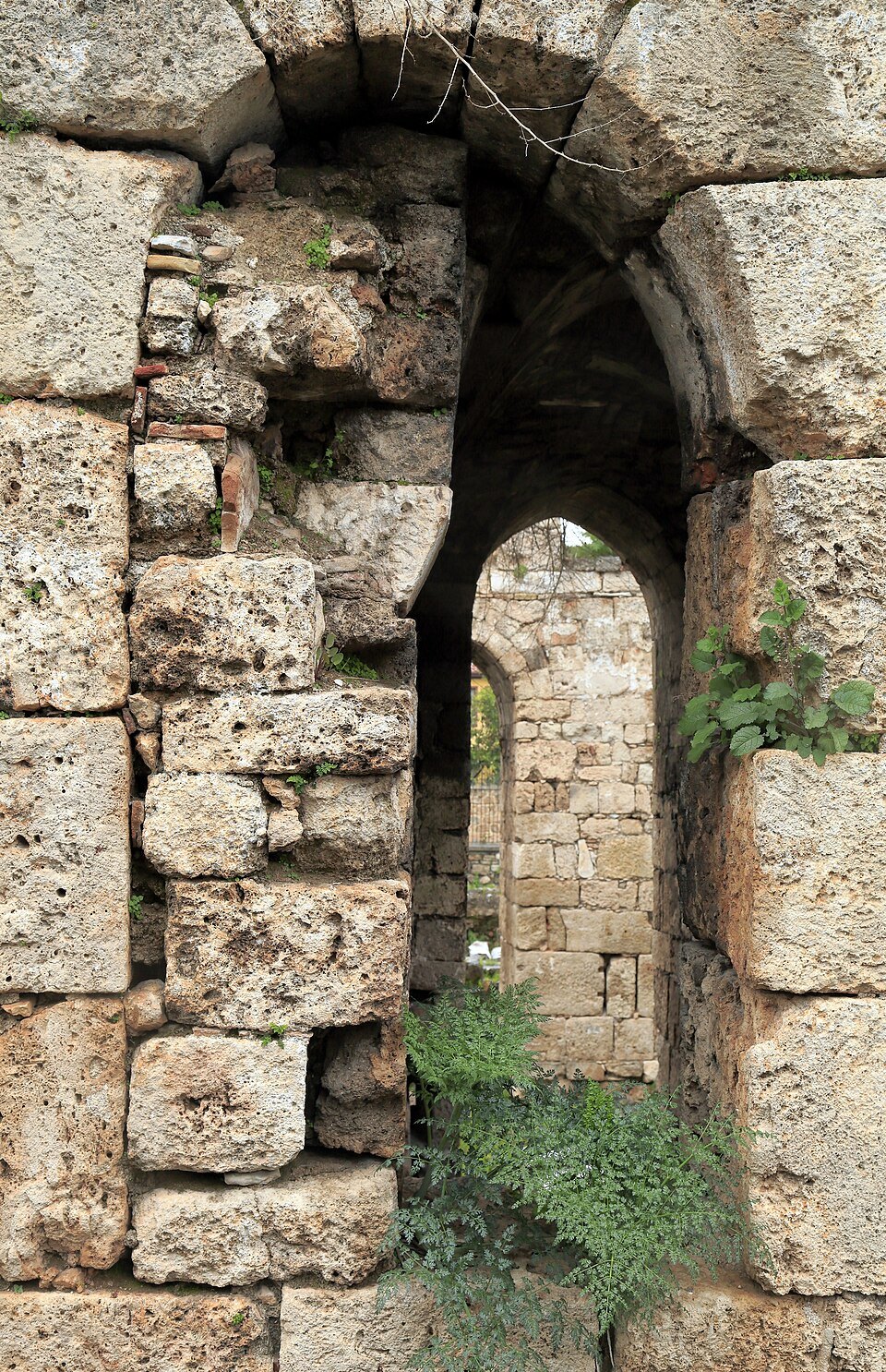
Beside it, an archaeopark displays what the excavations uncovered, including the remains of a monopteros, a small round temple open on all sides, found together with graves and inscriptions. Walking around the outside, you can trace the different periods in the walls: reused ancient columns and capitals, Byzantine masonry and the Seljuk minaret rising above the restored roof.
Kaleiçi's other Christian buildings tell a later chapter of the same story. The Alaaddin Mosque nearby, thought to have been built around 1834 as another church of the Panagia, served the Greek community until 1922, became the city's archaeological museum from 1922 to 1934, and was later turned into a mosque, with a minaret added in 1958.
Sources
- Kesik Minare — Wikipedia
- Kesik Minare — Vikipedi (Turkish)
- Kaleiçi — Antalya Büyükşehir Belediyesi
- Antalya'nın fetih sembolü ihtişamlı günlerine geri dönecek — T.C. Antalya Valiliği, 2018
- Kesik Minare Camii yeniden ibadete açılacak — TRT Haber, 2018
- Tarihi Şehzade Korkut Camisi eski ihtişamına kavuşacak — Anadolu Ajansı, 2020