What it is
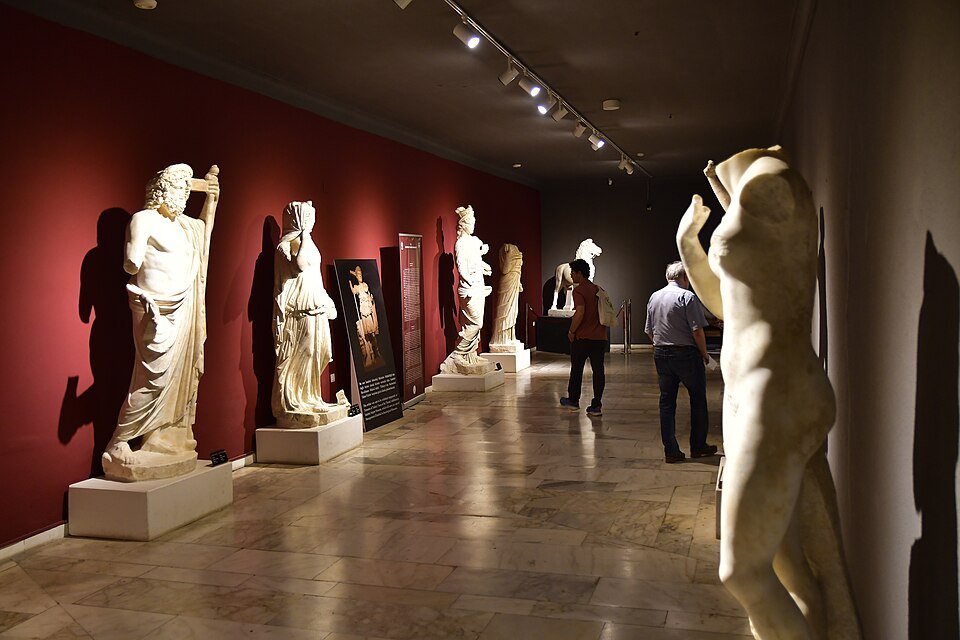
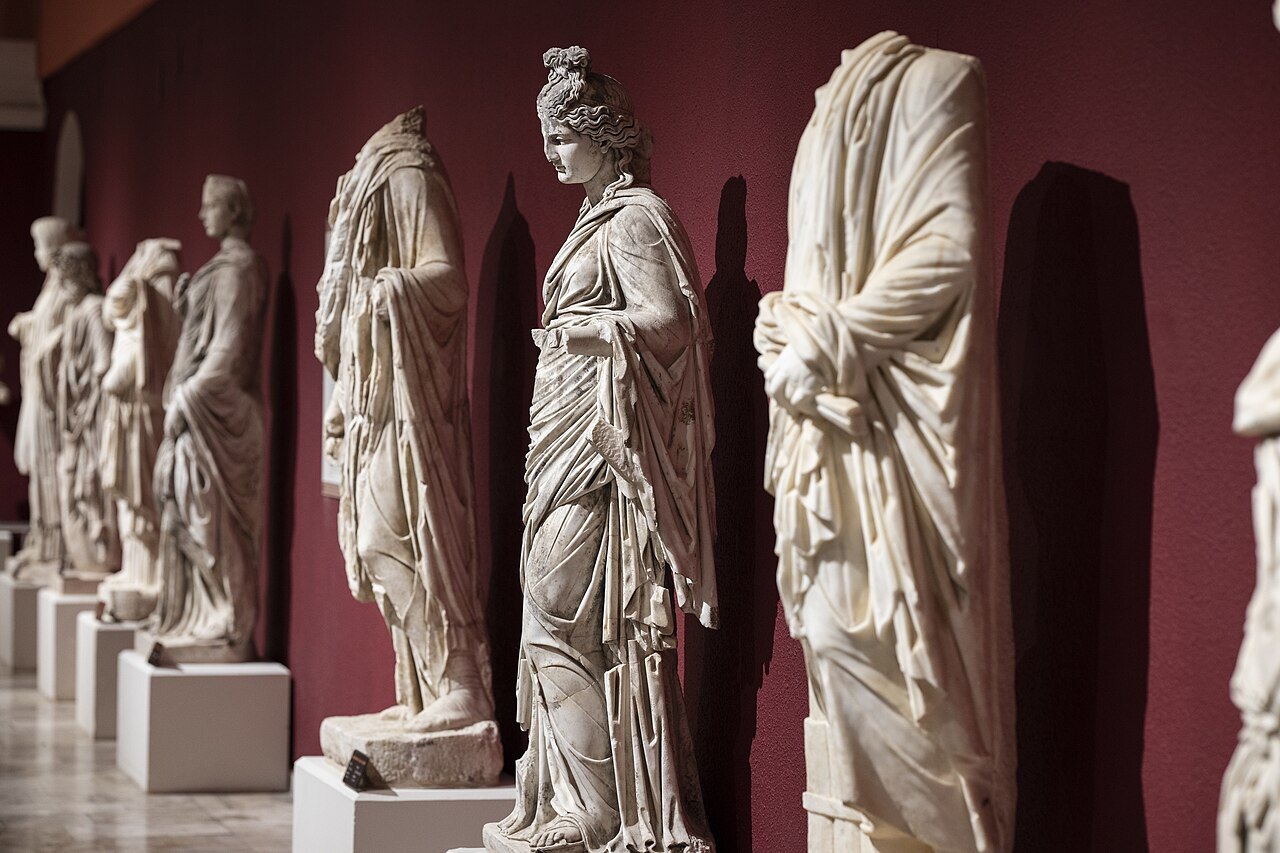
A large archaeological museum on the western edge of the city, holding the finds from the ancient cities of the surrounding coast — above all from Perge, whose theater and baths supplied a whole hall of Roman sculpture.
⚠️ The museum closed to visitors on July 16, 2025; the old building was demolished that September and a new one is being built on the same site, so check that it has reopened before you go. The collection has been kept in containers in the museum grounds in the meantime.
⭐ This is worth understanding before you visit the ruins: the statues, sarcophagi and mosaics that were found at Perge, Side and Aspendos are mostly here. Go to the sites for the architecture and the setting; come here for what stood in them.
What to look for
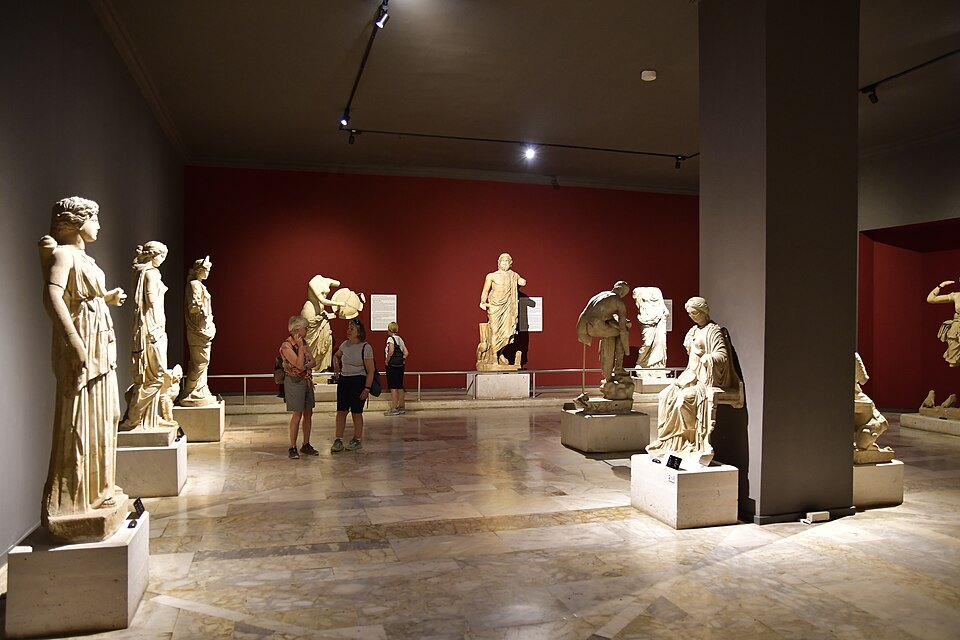
The sarcophagus galleries and the Hall of the Gods are the set pieces — full-length Roman marbles in rows, recovered from a single site.
⚠️ It is a genuine half-day if you read the labels, and it is out along the tram line rather than in the old town.
Founded to stop a removal
The museum began as an act of resistance. After the First World War, Italian forces occupied Antalya, and in 1919 the archaeologists who came with them started carrying ancient inscriptions and statues to the Italian consulate, claiming they were collecting them in the name of civilization. Süleyman Fikri Bey, a teacher at the Antalya high school, asked the authorities to appoint him director of antiquities. Named honorary director, he gathered what he could in a small abandoned prayer house beside the Tekeli Mehmet Paşa Mosque in Kaleiçi; when the Italians left in 1921, the objects they had collected were moved there too.
In 1922 the collection moved into the Panagia church, left empty when the Greek community departed, and that is counted as the museum's foundation. Süleyman Fikri Bey became its first official director in 1924 and ran it until he retired in 1941. From 1937 the museum occupied the Yivli Minare Mosque for 35 years.
The 1972 building and its fate
Excavations at Perge, fifteen kilometers east of Antalya, began in 1946 and soon filled the museum garden with statues and sarcophagi. In 1964 a national architecture competition was held for a new building, won by Doğan Tekeli, Sami Sisa and Metin Hepgüler; it was the first museum in Turkey designed through a competition. It opened in Konyaaltı on November 25, 1972, was reorganized between 1982 and 1985, and won the Council of Europe's special museum prize in 1988.
On March 20, 2025, the Ministry of Culture and Tourism decided to demolish it, citing a 2020 earthquake performance analysis. Professional bodies and 13 civic organizations objected, criticizing the fact that the reports were not made public, and there were protests. The museum closed on July 16, 2025, its collection moved into containers in the garden, and the building was fully demolished in September 2025. The heritage directorate has said it aims to finish a new museum on the same site by the end of 2026.
What the collection holds
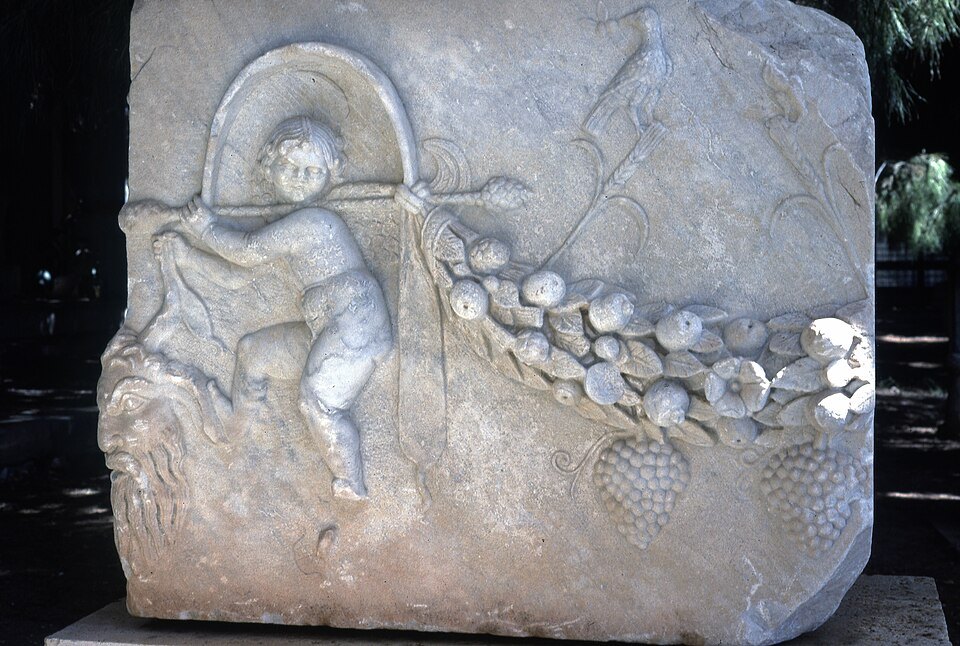
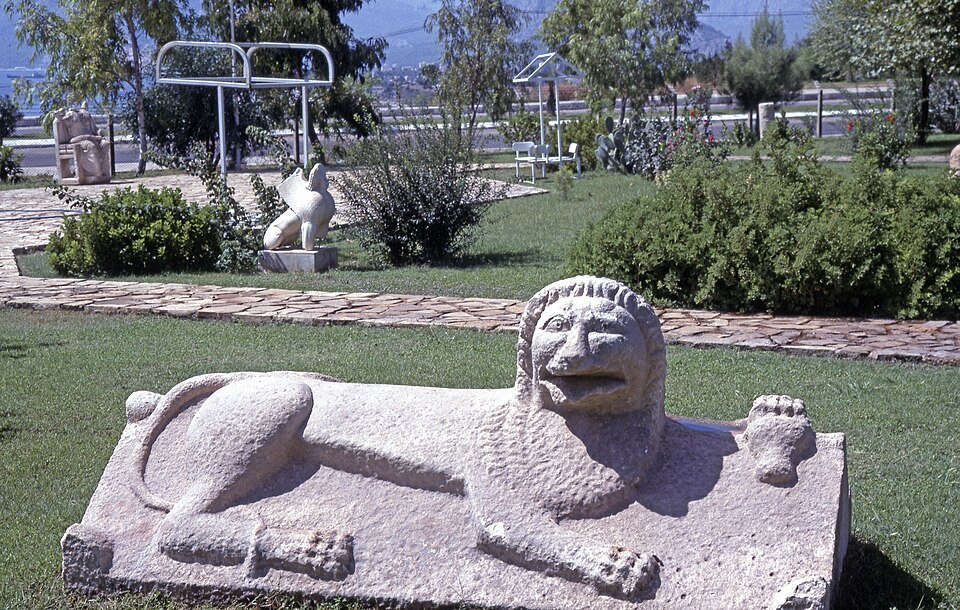
The museum holds close to a hundred thousand objects from the three great ancient regions within the province, Lycia, Pamphylia and Pisidia, with most of the marble from Perge. Before closing it showed about 5,000 works in 13 halls and an open-air gallery, with tens of thousands more in storage. Highlights include Neanderthal remains from Karain Cave; a hall of mythological figures from Perge, among them Zeus, Artemis, Aphrodite, Asclepius and Hermes; a hall of imperial statues; and sarcophagi including the Domitias sarcophagus of a husband and wife and one carved with the twelve labors of Heracles. A hall of coins, small finds and icons covered Antalya's minting history, jewelry and finds from shipwrecks, and the collection also includes discoveries from the Church of Saint Nicholas, the original Santa Claus.
Brought home
Two stories stand out. The Weary Heracles, a second-century AD copy of a work by Lysippos showing the hero resting after killing the Nemean lion, was found at Perge in 1980, but only its lower half. In 1990 the upper half was identified at the Museum of Fine Arts in Boston; it came back in 2011, and the two halves have been displayed together since October 9, 2011.
The Elmalı coins, known as the Treasure of the Century, were dug up illegally near Elmalı in 1984 and smuggled abroad. Most were recovered in 1999 after a fifteen-year legal fight, kept in Ankara for a decade, and brought to Antalya, where they went on show on October 27, 2009. The museum's symbol is the Dancer, a statue found at Perge in 1981, more than two meters tall, carved in white marble for the bare skin and dark marble for the clothing and hair.
Sources
- Antalya Müzesi — T.C. Kültür ve Turizm Bakanlığı (muze.gov.tr)
- Antalya Museum — Wikipedia
- Antalya Müzesi — Vikipedi (Turkish)